

Businesses in New York depend on information from operations, sales, customer platforms, reporting tools, and internal systems. When those sources do not connect reliably, teams spend valuable time reconciling spreadsheets, correcting inconsistencies, and questioning whether reports reflect current business activity.
SISIFO makes its Data Engineering solution available to organizations that need dependable pipelines, integrated systems, cleaner data, and scalable infrastructure. We structure how information is collected, transformed, validated, stored, and delivered for reporting, analytics, automation, and future AI initiatives.
Our work is designed around the company’s existing technology, operational priorities, and decisions that require trusted data. The goal is not to add another disconnected tool, but to create a foundation the business can use consistently.
Improve Data Reliability Across New York Operations
SISIFO supports businesses across New York, including organizations in New York City, Long Island, Westchester, Albany, Buffalo, Rochester, and Syracuse. The service is designed for companies coordinating information across departments, locations, applications, and reporting processes.
A stronger environment helps teams use consistent definitions, reduce reporting delays, and improve visibility. It also supports related capabilities such as Data Science Solutions in New York and Custom AI Solutions in New York.
What Our Data Engineering Services Include

SISIFO designs data infrastructure around the systems a company already uses and the outcomes it needs to support. Depending on the environment, the engagement may include:
- Data pipeline development and orchestration
- ETL and ELT workflow automation
- Cloud data infrastructure
- Data warehouse or lakehouse architecture
- API, application, and database integrations
- Data cleansing, transformation, and validation
- Data quality and governance support
- Analytics, reporting, and AI-ready data preparation
The architecture is adapted to current platforms, data maturity, reporting priorities, security requirements, and expected growth.
Connect Systems and Reduce Manual Reporting
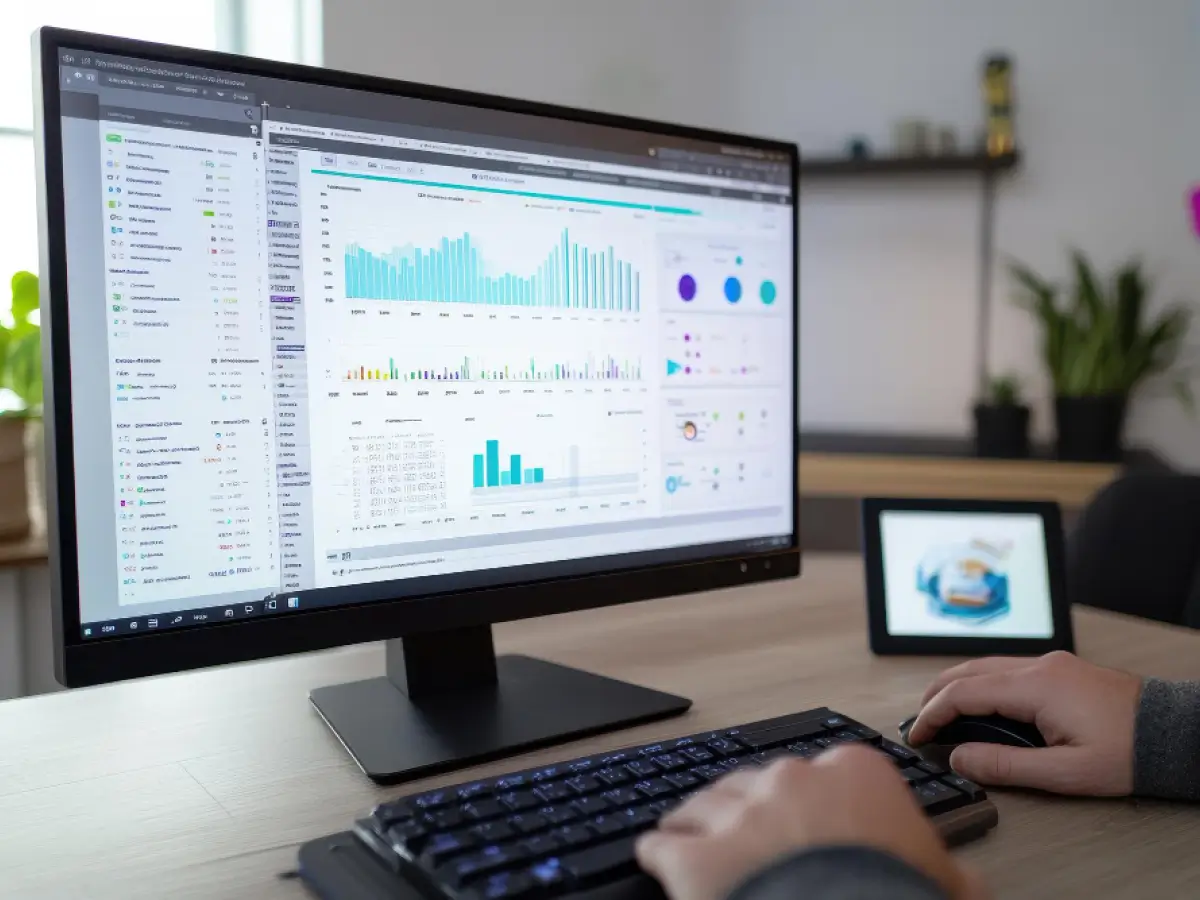
Fragmented systems create operational friction. Teams may export files from several applications, apply different rules, and rebuild the same report each week. These workarounds increase the risk of duplicated records, inconsistent metrics, and delayed decisions.
SISIFO helps improve the flow of information so businesses can:
- Consolidate data from business applications and databases
- Automate recurring ingestion and transformation processes
- Apply consistent definitions and validation rules
- Deliver fresher data to dashboards and reporting tools
- Reduce dependence on manual spreadsheet reconciliation
The result is a controlled reporting environment where teams spend less time assembling information and more time using it.
Prepare Data for Analytics, Automation, and AI

Analytics and AI require more than large volumes of information. Data must be discoverable, consistently structured, current, and governed for its intended use.
SISIFO creates the technical layers needed to collect source data, standardize formats, resolve quality issues, and deliver approved information to downstream applications. This foundation can support automated reporting, predictive models, internal AI tools, document processing, and other business use cases.
Preparing the environment first reduces rework and gives future analytics or AI projects a clearer path to operational use.
Our Data Engineering Delivery Process
The engagement progresses from understanding the current environment to deploying and improving a working data foundation.

Assess Sources and Workflows
We review applications, databases, reporting routines, data owners, known quality issues, and the decisions the infrastructure must support.
Design the Target Architecture
We define how data should move, where it should be stored, which transformations are required, and how the design can scale with business needs.
Build, Integrate, and Validate
We develop pipelines and integrations, apply business rules, test outputs, and establish controls for accuracy, freshness, and consistency.
Deploy and Improve
We operationalize the solution and refine it as source systems, reporting requirements, data volumes, and business priorities change.
Build a Scalable Data Foundation with SISIFO

SISIFO connects data strategy with implementation. We build the infrastructure required to move information reliably, improve quality, and deliver it to the people and systems that need it. This strengthens current reporting while supporting future automation, analytics, and AI.
Schedule a conversation to review where data is fragmented, which reporting processes consume the most effort, and how a scalable architecture could support your organization in New York.
Frequently Asked Questions About Data Engineering in New York
What should a company assess before modernizing its data infrastructure?
The assessment should identify source systems, recurring reporting workflows, data quality problems, ownership, integration gaps, current storage, and the business decisions that require more reliable information. These findings help define priorities before selecting architecture or tools.
Can SISIFO connect existing applications, databases, and cloud platforms?
SISIFO’s Data Engineering work can include APIs, database connections, pipelines, ETL or ELT workflows, and cloud infrastructure. The technical design depends on the systems already in place and the information that must move between them.
How can Data Engineering reduce manual reporting?
Automated pipelines can collect and transform data on a defined schedule, apply consistent rules, and deliver validated outputs to reporting tools. This reduces repeated exports, spreadsheet consolidation, and manual corrections while improving traceability.
Does a business need to start an AI project to benefit from AI-ready data?
No. Clean, integrated, and well-structured data improves reporting and analytics immediately. It also reduces future preparation work when the company is ready to evaluate automation, predictive modeling, or custom AI use cases.